Pioneering Use of Biotechnology in Iran’s Steel Industry:
Bioluminescent Bacteria for Wastewater Toxicity Detection at Kavir Steel
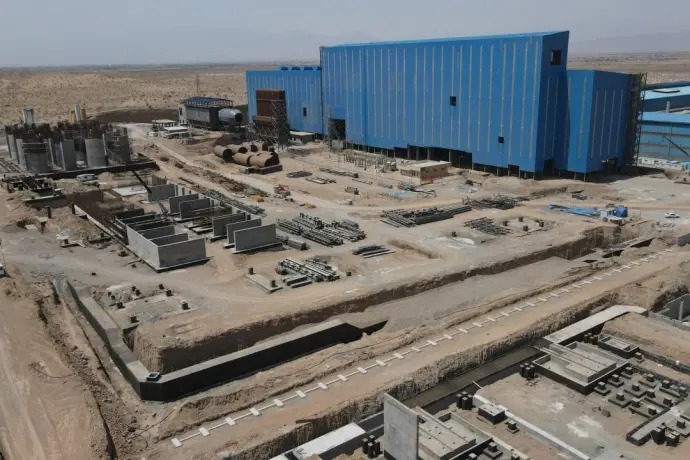
The Kavir Steel processing plant is one of the most advanced industrial units in the field of wastewater treatment in Iran, designed and commissioned to provide a sustainable water supply for the company’s production lines. Using modern technologies, this facility converts municipal wastewater into high-quality water suitable for industrial processes, eliminating the need for groundwater extraction.
One of the standout features of this plant is its toxicity-detection system installed at the wastewater intake point where Kashan’s municipal sewage connects to the facility. This system utilizes biotechnology and bioluminescent bacteria to continuously and instantly monitor the quality of incoming wastewater.
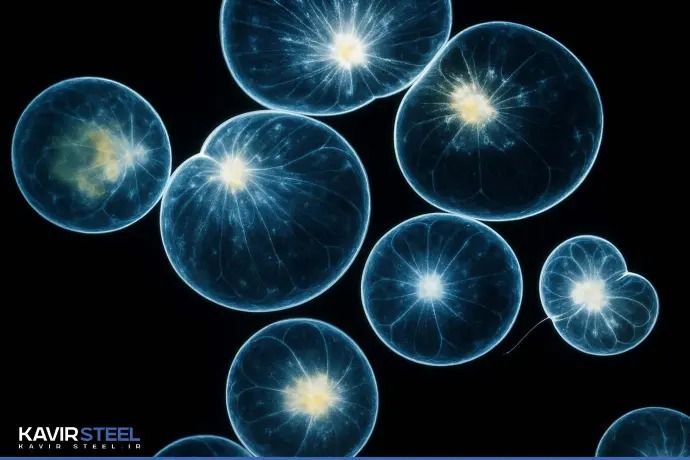
The mechanism of this system is based on the biological response of these bacteria. Under normal conditions, bioluminescent bacteria produce an enzyme called luciferase, which enables them to emit light. When the incoming water is free from toxic substances, the bacterial light remains stable. However, when heavy metals or unusual pollutants such as blood, chemical waste, or industrial residues are present, the bacteria’s metabolism is disrupted and their light is extinguished. This loss of luminosity acts as a biological warning signal, prompting the system to alter the wastewater flow and prevent contaminated influent from entering the downstream treatment stages.
This protective system not only shields the active microorganisms essential to the treatment process from harm, but also ensures that no incompatible substances reach the plant, as the facility is engineered specifically for processing wastewater—and the introduction of any foreign elements could impair its performance.
The use of this technology reflects Kavir Steel’s broader strategy toward sustainable development, resource management, and innovation within the steel industry.